
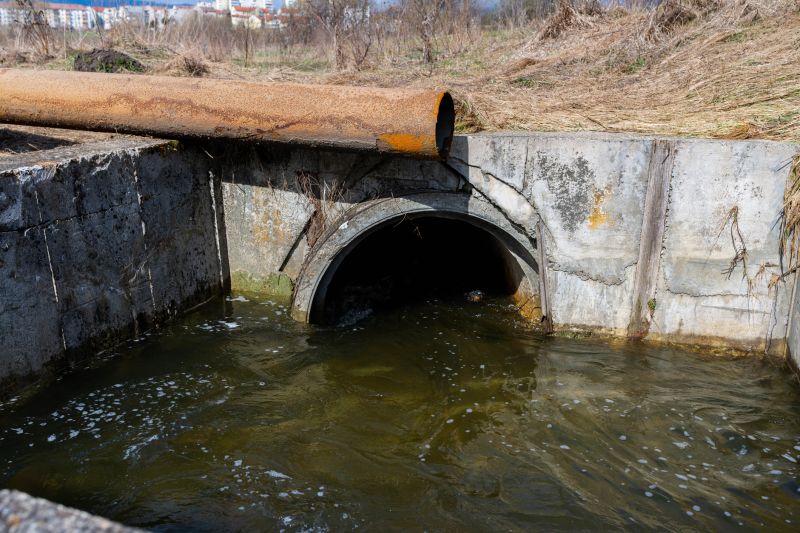
Sewer Repair in Naperville, IL
Sewer repair services involve diagnosing and fixing issues within a property's underground sewer lines, which are responsible for carrying wastewater away from the home. These projects can include repairing or replacing damaged pipes, clearing blockages, and addressing leaks or tree root intrusions that compromise the system’s integrity. Homeowners often seek sewer repair when experiencing persistent backups, foul odors, or slow drains, and understanding the scope of these repairs can help in planning and decision-making.
Before requesting sewer repair services, property owners should consider the extent of the problem, the age and condition of existing sewer lines, and whether excavation or trenchless methods are appropriate for the situation. It’s also helpful to know if a comprehensive inspection, such as a camera assessment, is recommended to accurately identify issues. Clear communication about the specific concerns and property details can assist in determining the most effective repair approach.
Many property owners in Naperville, IL look into Sewer Repair for repairs, replacements, upgrades, and appearance-related improvements.
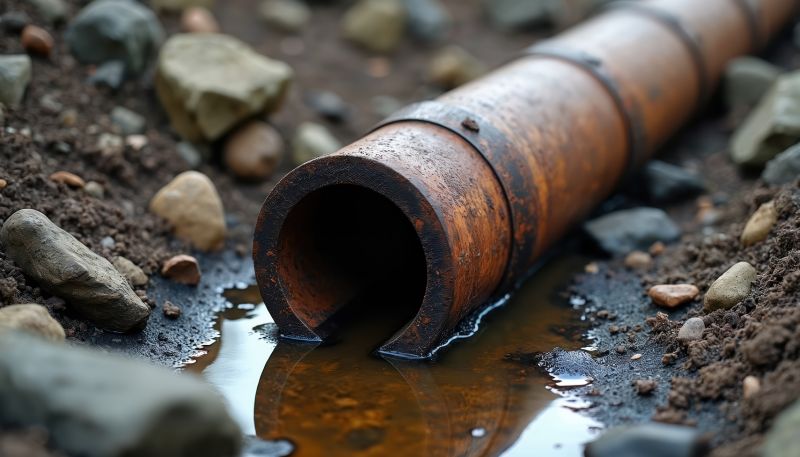
Signs Of Sewer Issues
Property owners in naperville may notice slow drains, foul odors, or recurring backups indicating sewer problems.
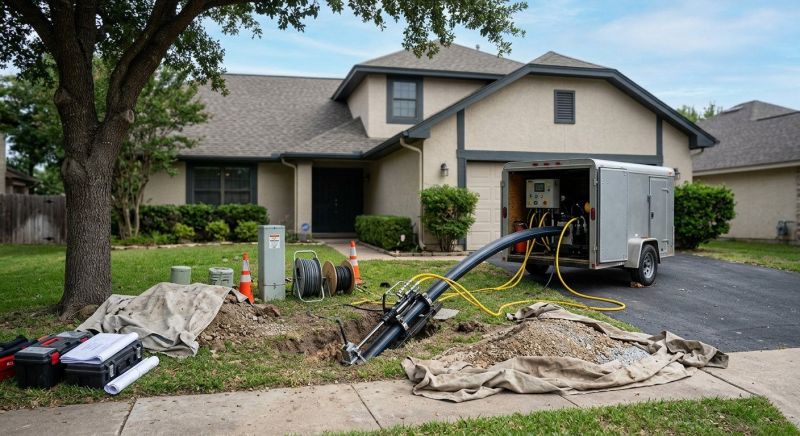
Common Repair Solutions
Services often include pipe lining, excavation, and replacement to restore proper sewer function in residential and commercial properties.
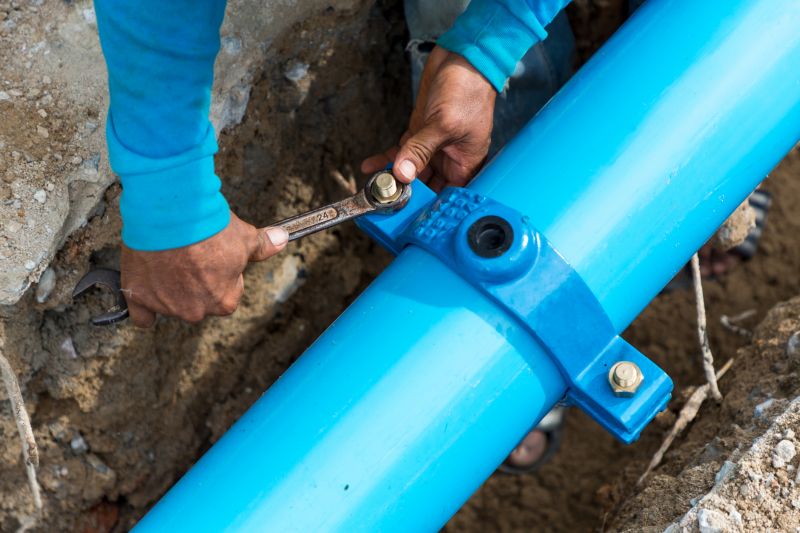
Preventative Maintenance
Regular inspections and early repairs can help prevent costly sewer backups and extend the life of existing plumbing systems in naperville homes.
Sewer Repair in Naperville, IL

Sewer repair services involve diagnosing and fixing issues within a property's underground sewer lines, which are responsible for carrying wastewater away from the home. These projects can include repairing or replacing damaged pipes, clearing blockages, and addressing leaks or tree root intrusions that compromise the system’s integrity. Homeowners often seek sewer repair when experiencing persistent backups, foul odors, or slow drains, and understanding the scope of these repairs can help in planning and decision-making.
Before requesting sewer repair services, property owners should consider the extent of the problem, the age and condition of existing sewer lines, and whether excavation or trenchless methods are appropriate for the situation. It’s also helpful to know if a comprehensive inspection, such as a camera assessment, is recommended to accurately identify issues. Clear communication about the specific concerns and property details can assist in determining the most effective repair approach.
Many property owners in Naperville, IL look into Sewer Repair for repairs, replacements, upgrades, and appearance-related improvements.
Common Sewer Repair Jobs
Sewer Line Replacement - involves installing a new sewer line when the existing one is damaged or broken.
Sewer Pipe Repair - addresses leaks, cracks, or root intrusions in sewer pipes to prevent backups.
Drain Line Repair - focuses on fixing issues in the main drain lines to ensure proper flow.
Sewer Line Inspection - uses camera technology to locate problems without extensive digging.
Sewer Cleaning Services - removes blockages and buildup to restore proper sewer function.
Emergency Sewer Repair - provides urgent fixes for sudden sewer backups or failures.
Sewer Repair Questions
What are common signs of sewer problems? Signs include foul odors, slow drains, gurgling sounds, or sewage backups in the property.
What types of sewer repairs are typically needed? Repairs may involve pipe relining, replacement of damaged sections, or clearing blockages.
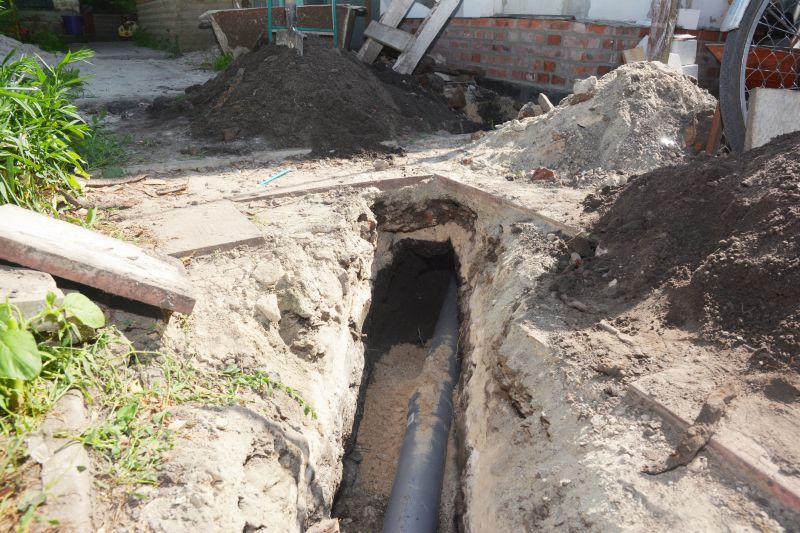
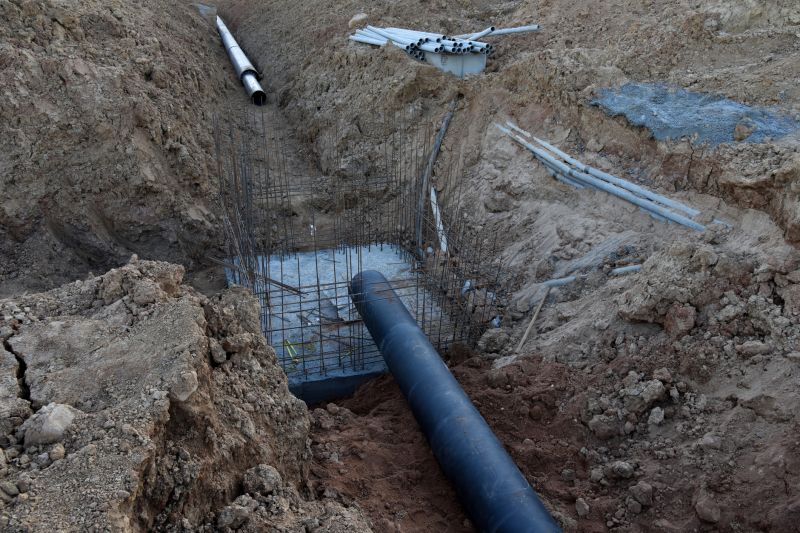
Is excavation always necessary for sewer repairs? Not always; trenchless methods can often fix issues with minimal disruption to landscaping.
How can property owners prevent sewer issues? Regular inspections and avoiding flushing or disposing of inappropriate materials can help prevent problems.
Request Sewer Repair in Naperville, IL
Use the quote form on this page to share the basics of your project and request more information for the type of work you need.